
Girls

School










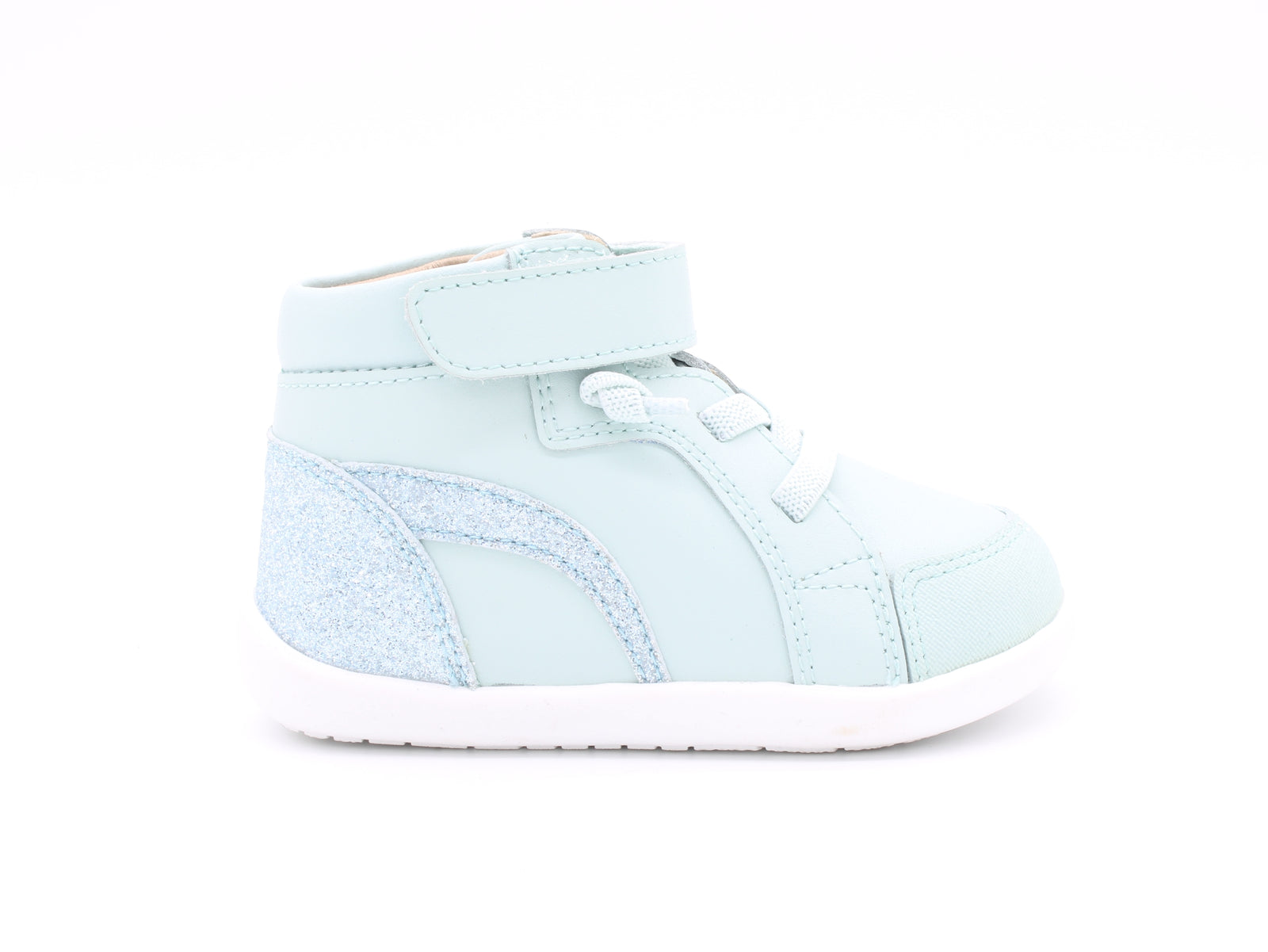


Baby Shoes
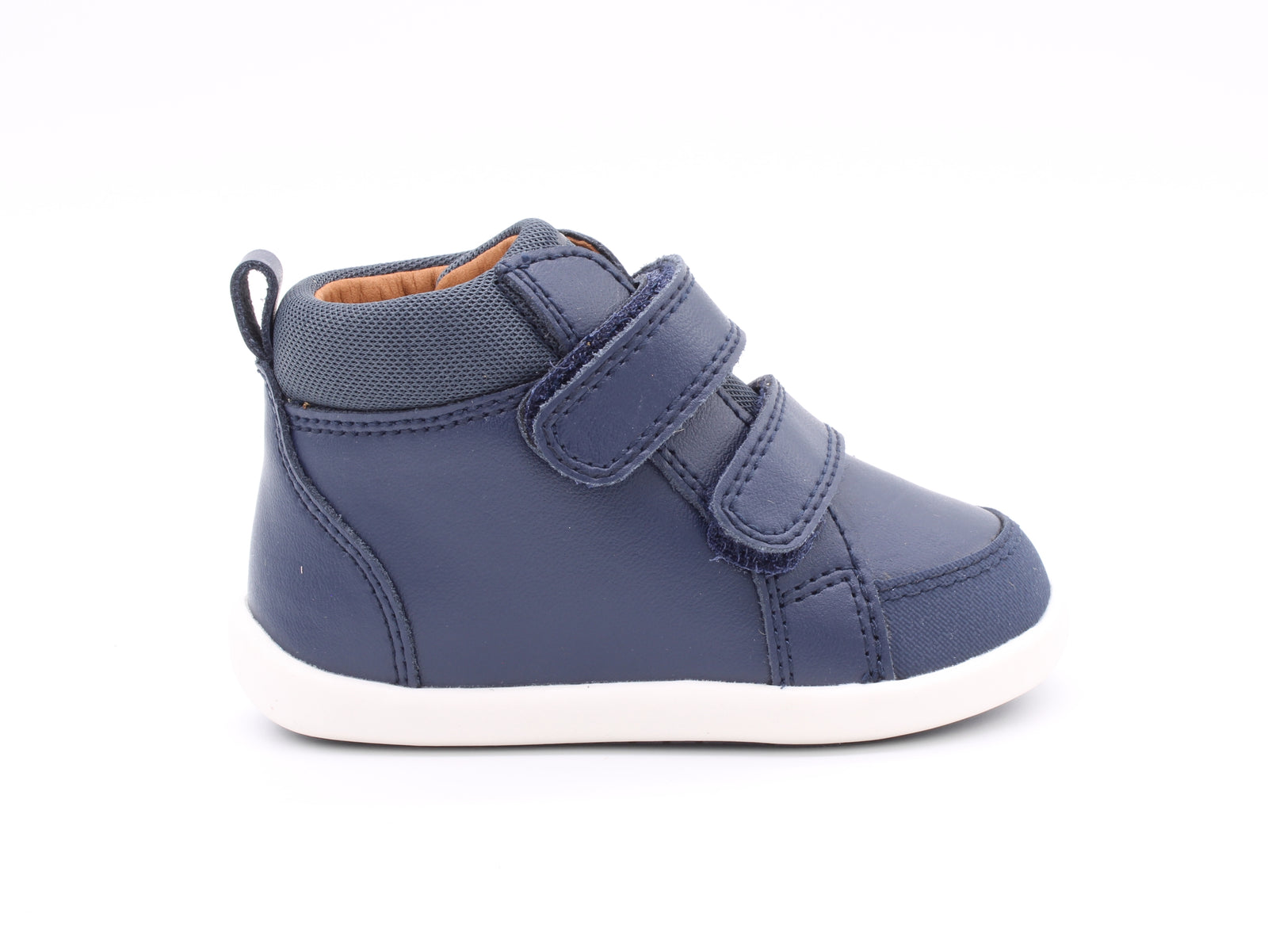
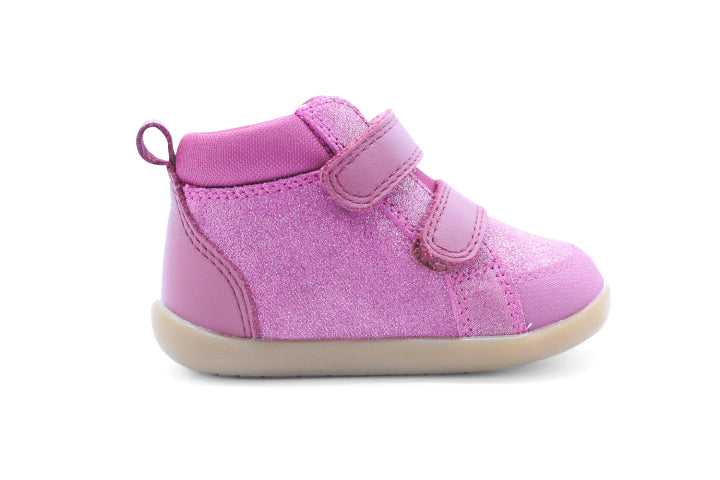
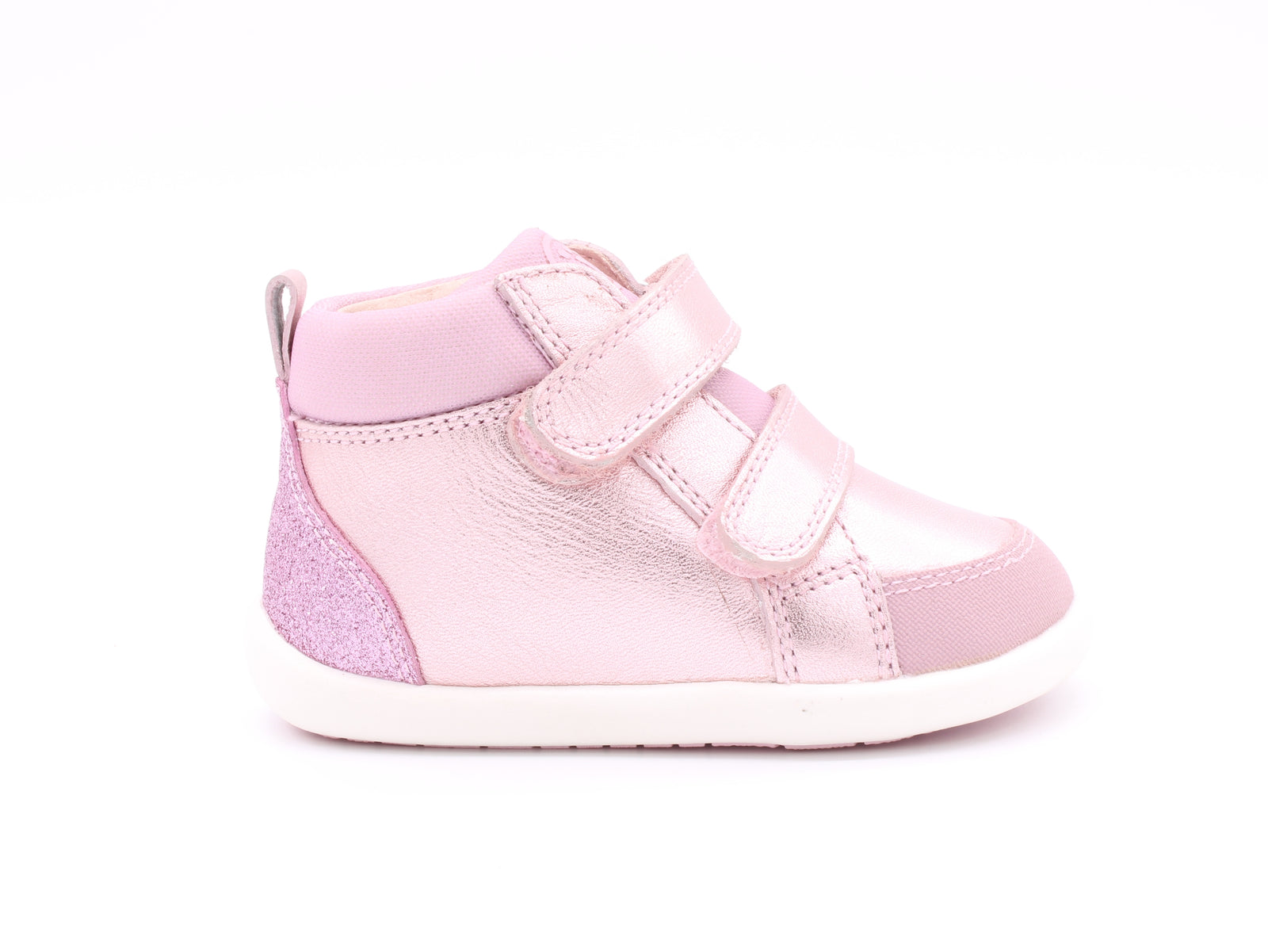
Your baby’s first steps are a big milestone, and the right shoes make all the difference. Our range of baby shoes is designed to provide the perfect balance of comfort, protection, and flexibility - allowing little feet to develop naturally. Crafted with soft, flexible soles they support movement without restricting tiny toes, ensuring every step is as natural as possible.
First Walker Shoes
At Surefit, we use premium quality leathers for durability and breathability in our first walker shoes, keeping delicate feet comfortable throughout the day. Our antibacterial insoles add an extra layer of care, helping to keep little feet fresh even during summer. With superior craftsmanship and attention to detail, you can trust that every pair is designed to nurture and protect growing feet.
Soft Sole Baby Shoes
Lightweight and flexible soles are key when choosing your baby’s first pair of shoes. Our soft sole baby shoes allow unrestricted movement, helping little feet strengthen and develop as they explore the world. Designed to offer the gentle support needed for early steps, wobbles, and adventures.
For warmer days, our leather baby sandals provide breathable comfort, keeping tiny feet cool while offering the right level of support. Perfect for playtime or special occasions, they are soft yet durable, ensuring all-day comfort.
When extra protection and support are needed, our leather baby sneakers are a great choice. Designed with cushioned soles and secure fastenings, they provide stability while allowing natural movement - ideal for little ones on the move.
When the weather turns cold those little feet need the extra warmth and protection from a pair of leather baby boots. With design elements such as self-fastening straps to provide a secure fit while allowing for easy on and off, our baby boots make dressing your little one a breeze.
Baby Shoes FAQs: First Walkers, Sizing & Foot Development
-
Babies generally only need shoes once they begin walking outdoors. Before this stage, spending time barefoot allows babies to develop balance, coordination and strength naturally. Shoes are primarily designed to protect little feet from rough or hot surfaces when exploring outside.
-
No. Babies do not need structured shoes before they start walking. Bare feet allow them to grip surfaces, build strength and develop movement patterns naturally. Soft booties or socks can provide warmth when needed, while shoes are mainly used for protection outdoors.
-
First walker shoes are designed specifically for babies who are beginning to walk independently. They typically feature lightweight construction, flexible soles and secure fastenings that support natural movement while protecting growing feet.
-
The best shoes for babies learning to walk are lightweight, flexible and comfortable. Look for soft, breathable materials like leather, secure fastenings and flexible soles that allow natural movement. Shoes should support early walking without restricting the way little feet bend and move.
-
First walking shoes should fit securely around the heel while allowing toes to move freely. A comfortable fit helps babies develop confidence as they take their first steps, while ensuring their feet have room to move and grow naturally.
-
Baby shoes should allow approximately 8–10mm of space beyond the longest toe. This provides room for growth while helping babies maintain balance and stability during the important early walking stage.
-
Soft sole shoes are often recommended for babies and early walkers because they allow feet to move naturally. Flexible soles help babies feel the ground beneath them, supporting balance, coordination and healthy foot development.
-
Babies generally do not require built-in arch support. During infancy and early walking stages, flexible footwear that allows natural movement is typically more important than structured support.
-
Breathable, flexible materials such as leather and soft textiles are popular choices for baby shoes. These materials help keep little feet comfortable while allowing natural movement throughout the day.
-
Babies' feet grow quickly, so it's important to check shoe fit regularly. Shoes should be replaced when they become tight, show signs of excessive wear, or no longer provide enough room for comfortable movement.
Choosing baby shoes is about more than finding the right size. From first crawlers to confident first walkers, the right shoes should support natural foot development while providing comfort and protection. These FAQs answer common questions parents ask when buying baby shoes and first walking shoes.
Search our shop
PayPal Pay Later Messaging
Step 1: Choose message placement
Click the button below and then hover over your page to select a placement.