
Girls

School




School Shoes
Our collection of leather school shoes is thoughtfully designed with comfort, durability, and perfect fit in mind. We've been making shoes for kids since 1984. With Surefit school shoes, your child will enjoy all-day support, whether they’re in the classroom or the playground.
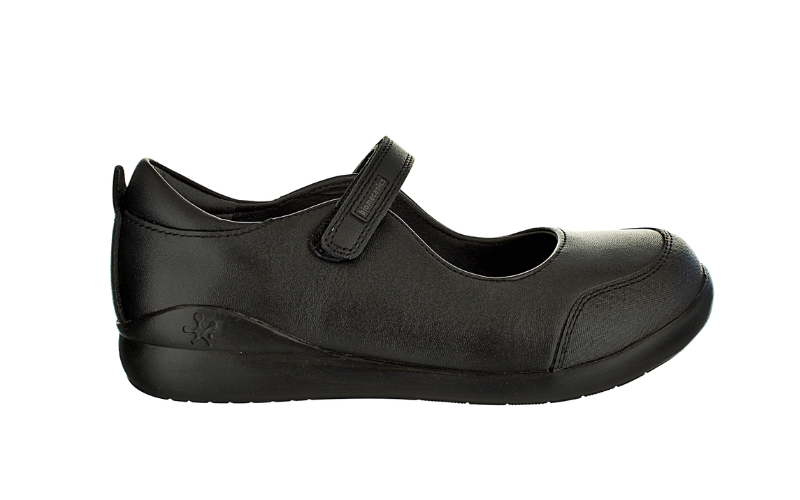
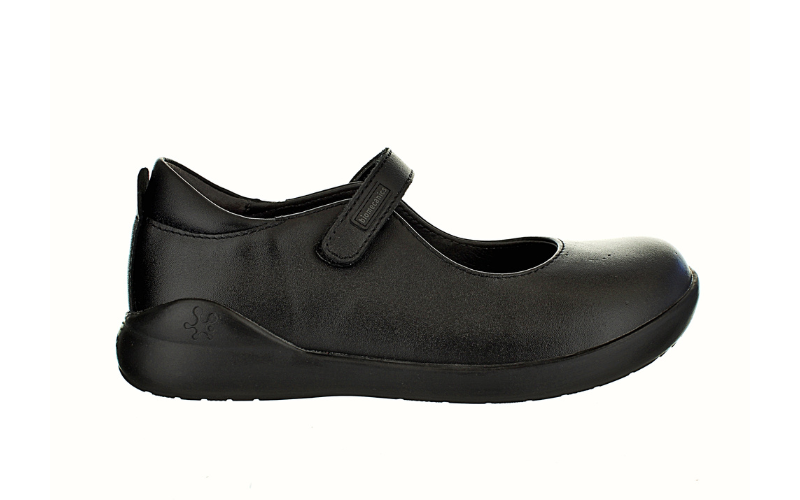
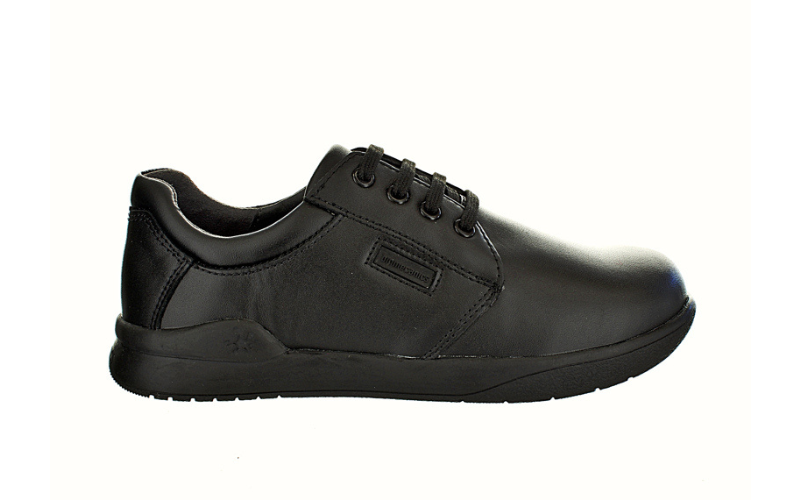
Explore our range of styles including lace up school shoes, girls Mary Jane school shoes and self fastening school shoes.
Girls School Shoes
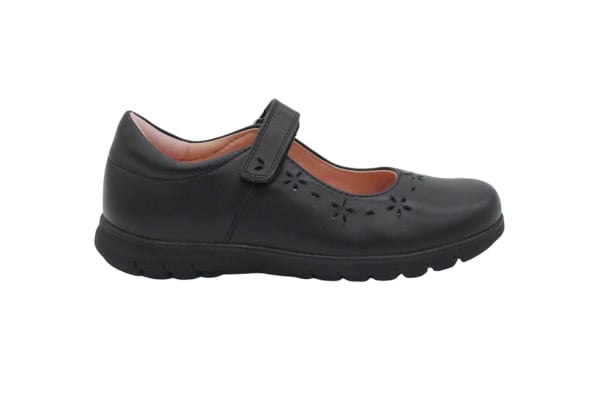
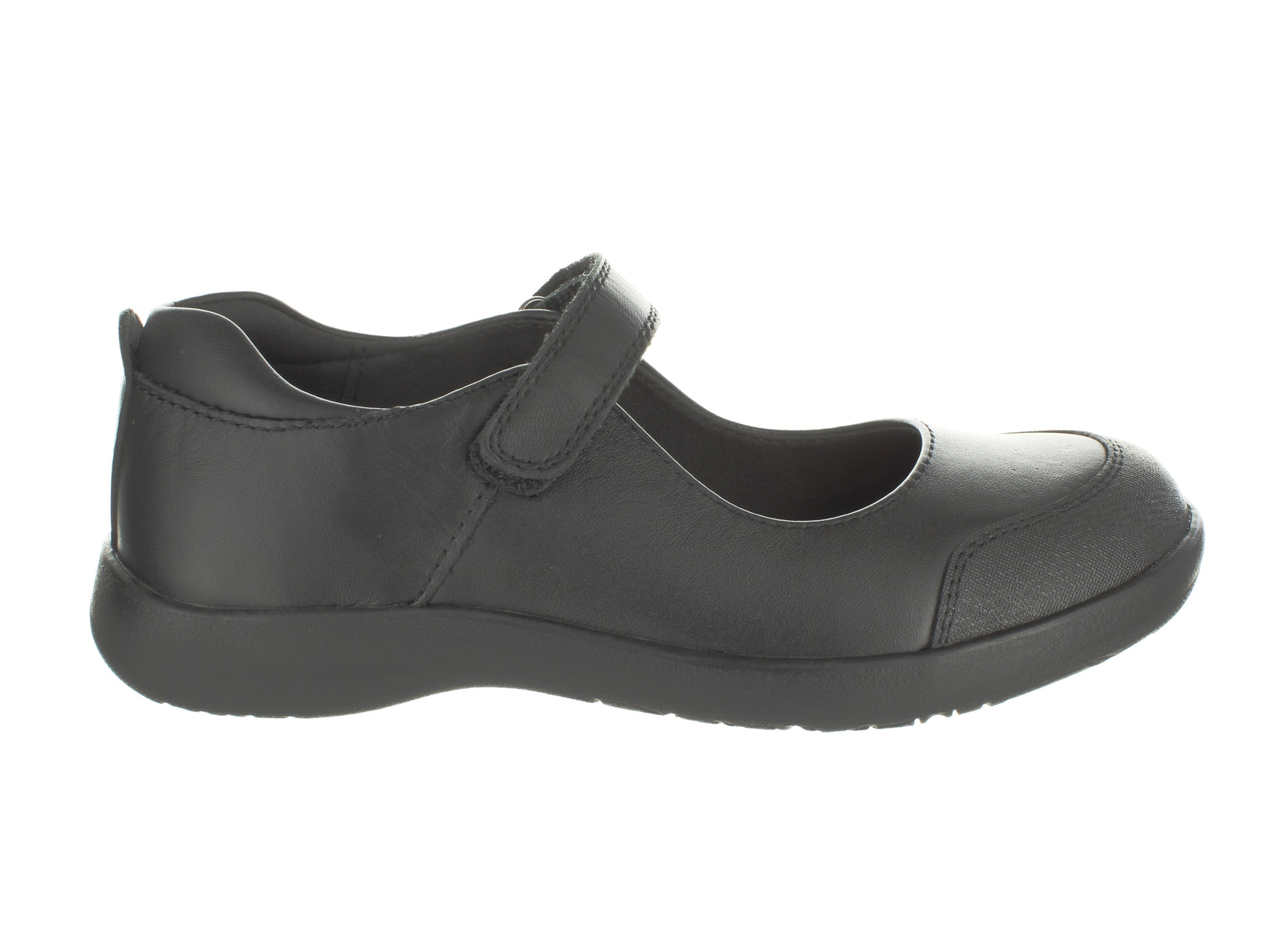
Our girls’ school shoes offer the perfect combination of practicality and style. From classic Mary Jane designs to lace-up options, each pair is crafted from high-quality leather to provide lasting durability and comfort. Designed to keep up with her busy school day, these shoes deliver the support growing feet need while maintaining a polished look.
Boys School Shoes
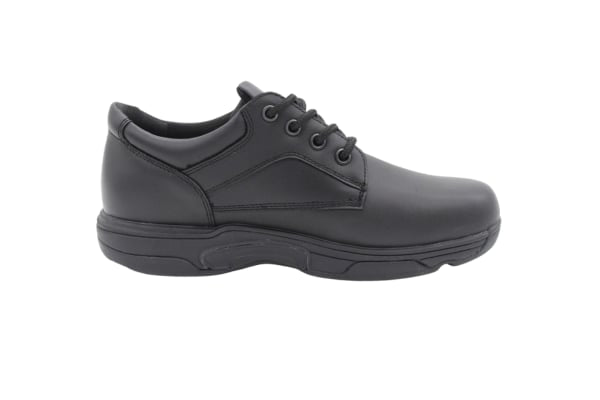
Built to withstand the rigors of an active school day, our boys’ school shoes are made from premium leather and designed for durability. With options like classic lace-ups and convenient self-fastening styles, these shoes provide a secure fit and all-day comfort. Perfect for both the classroom and the playground, they ensure your little one is ready for anything.

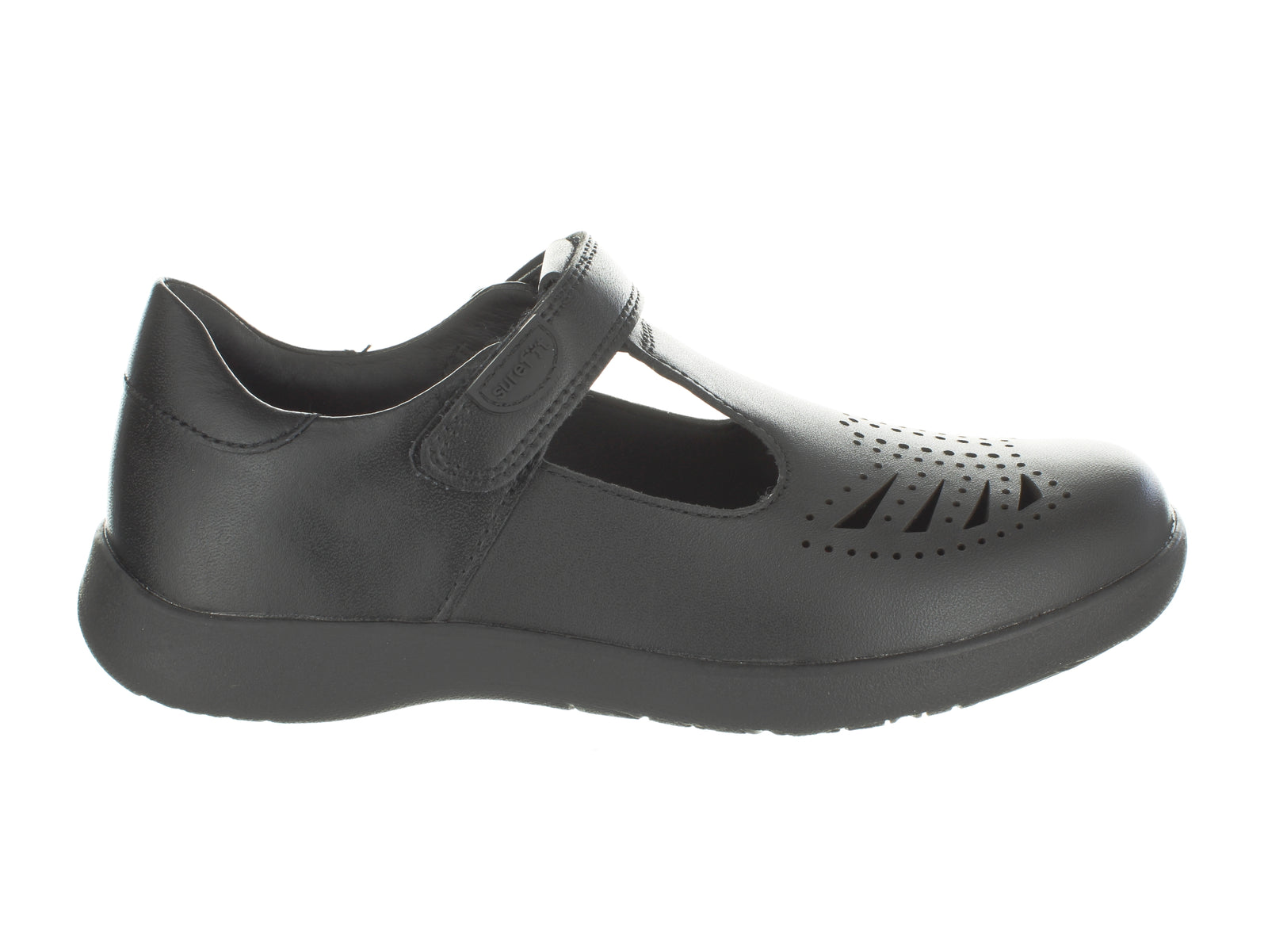

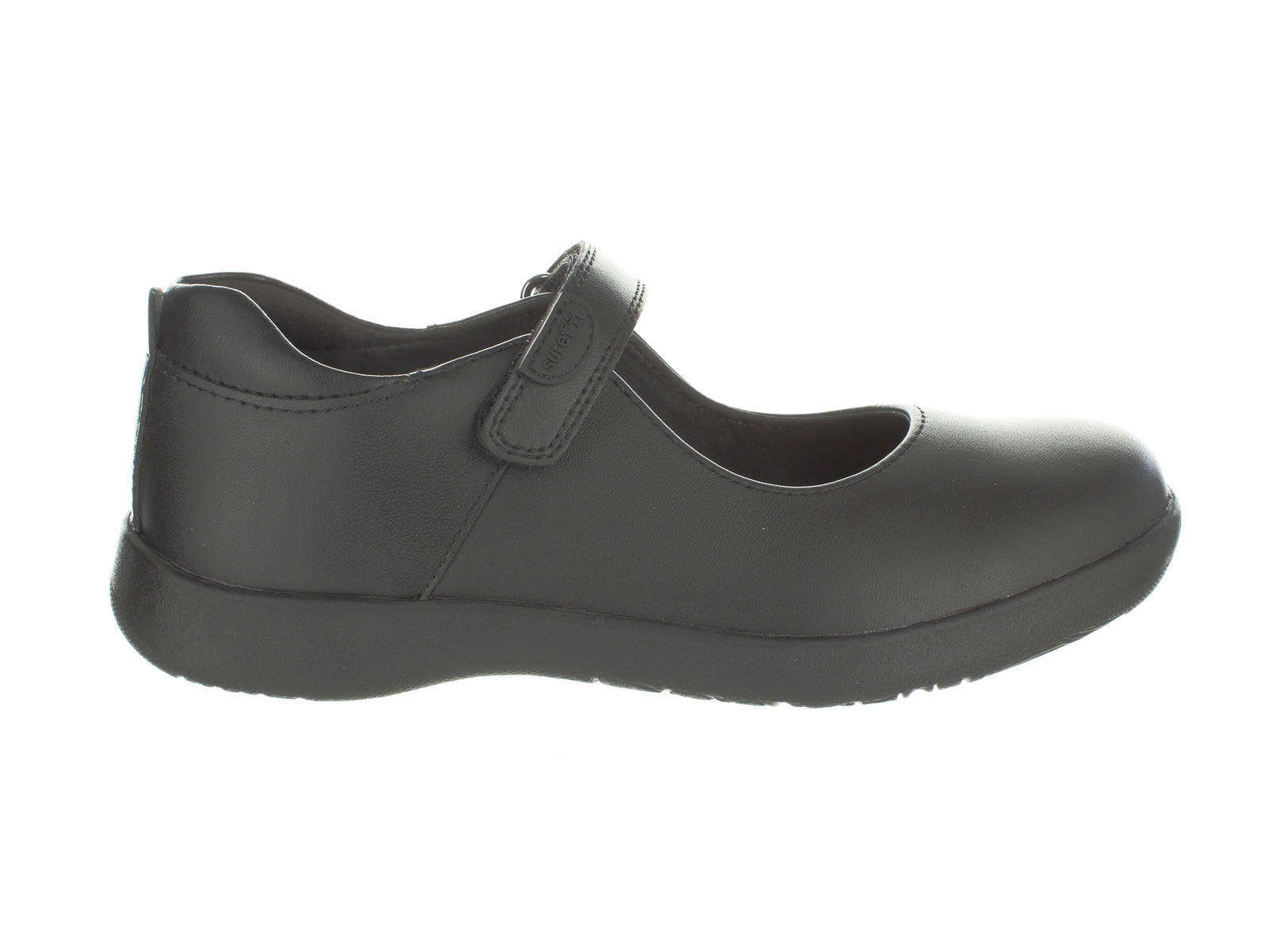

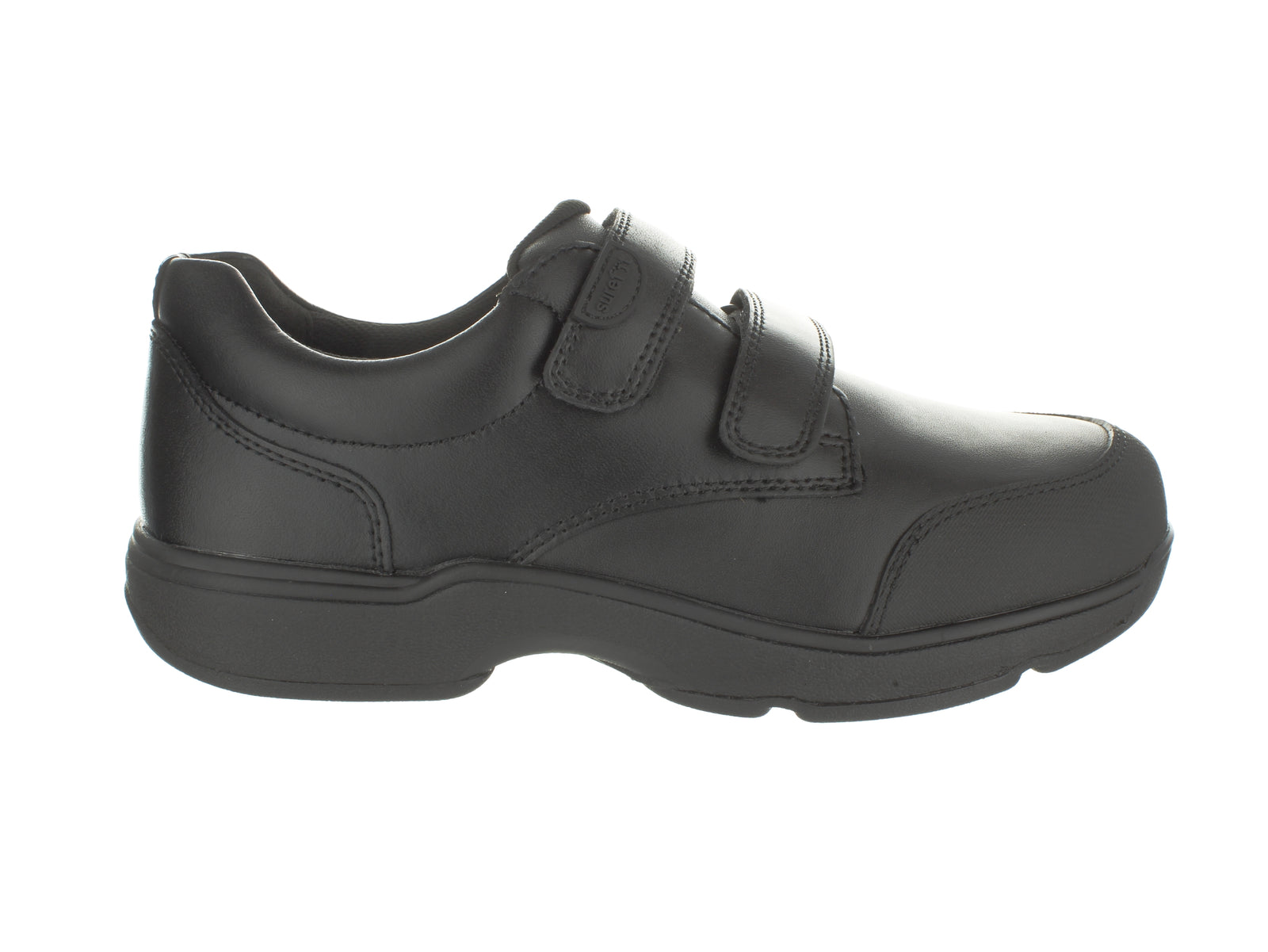





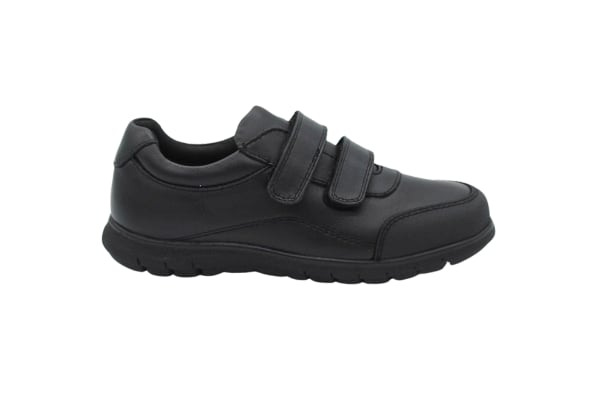

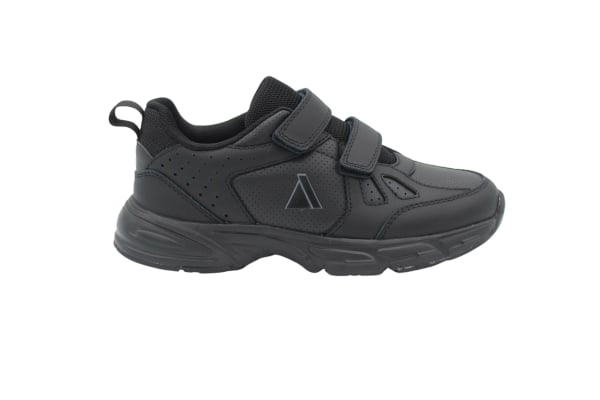


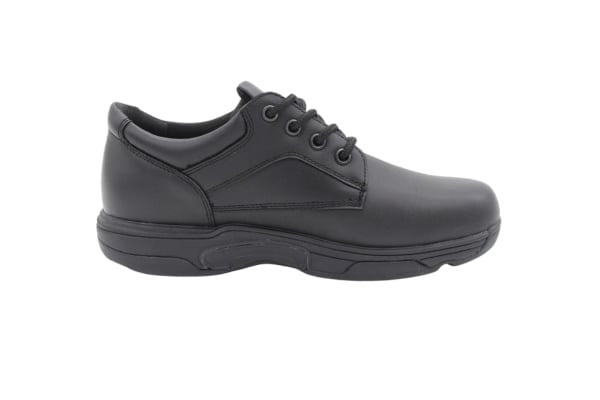

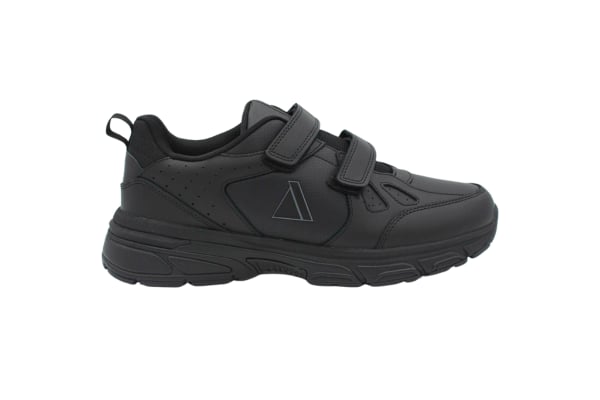

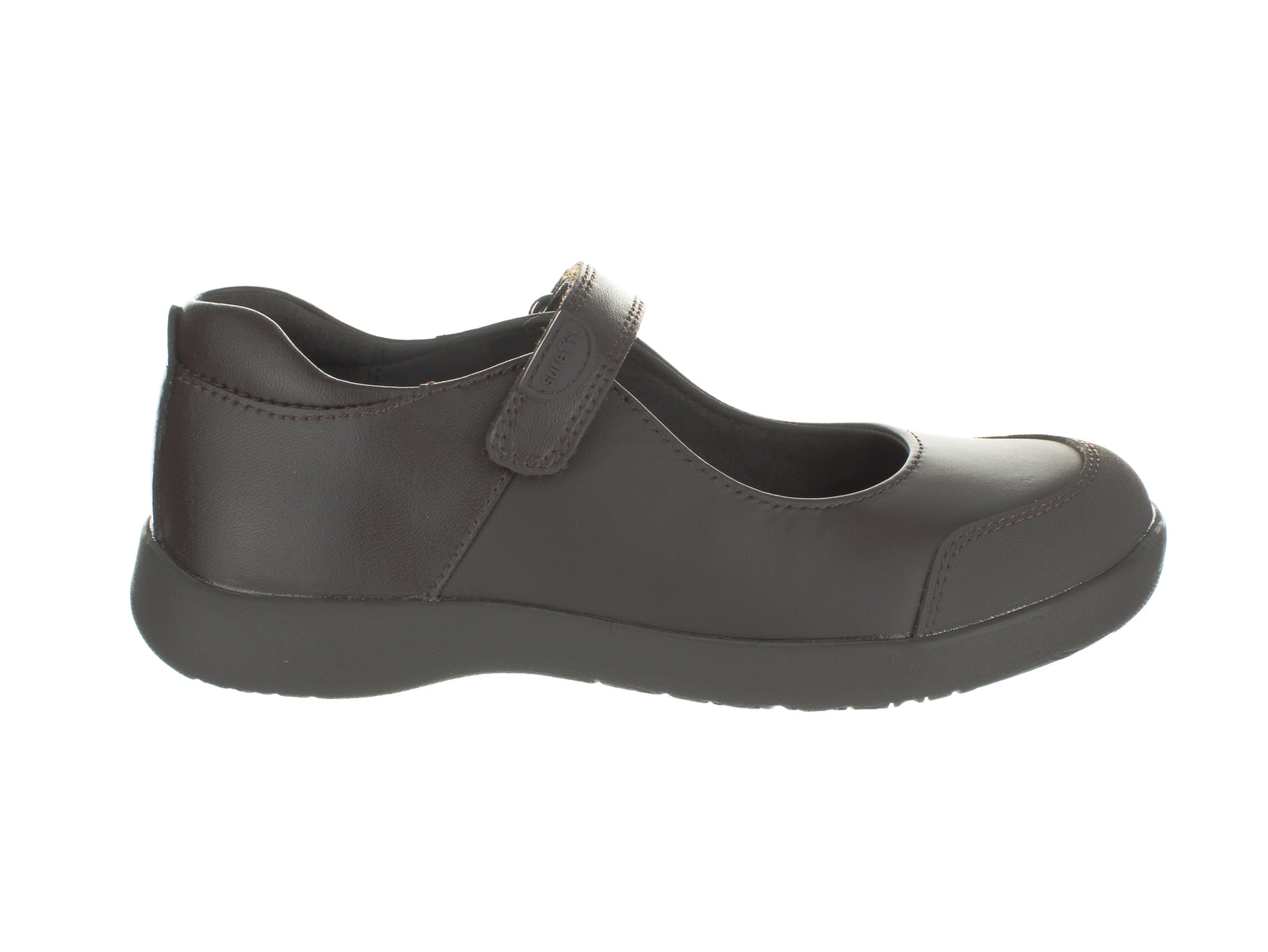

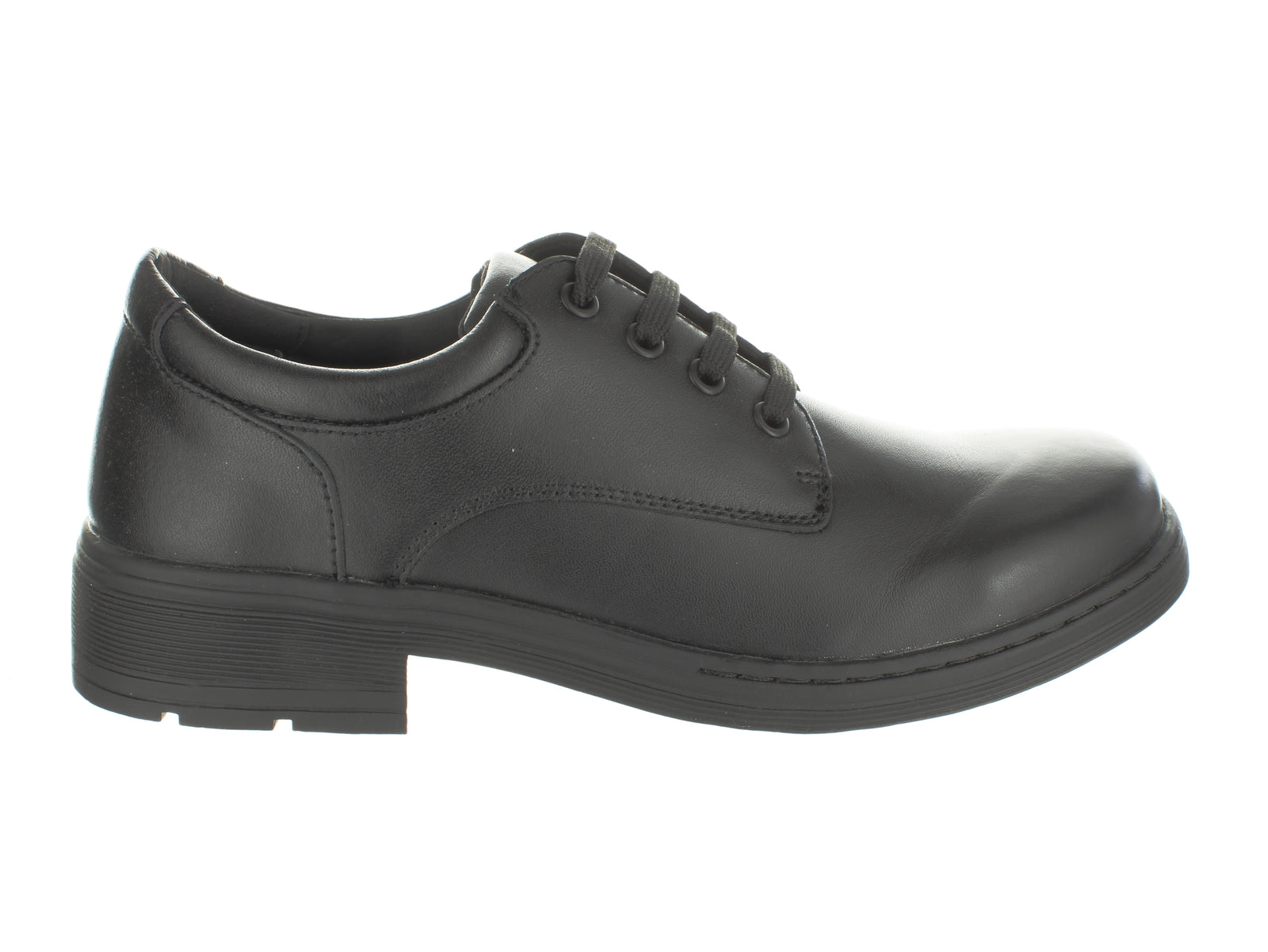

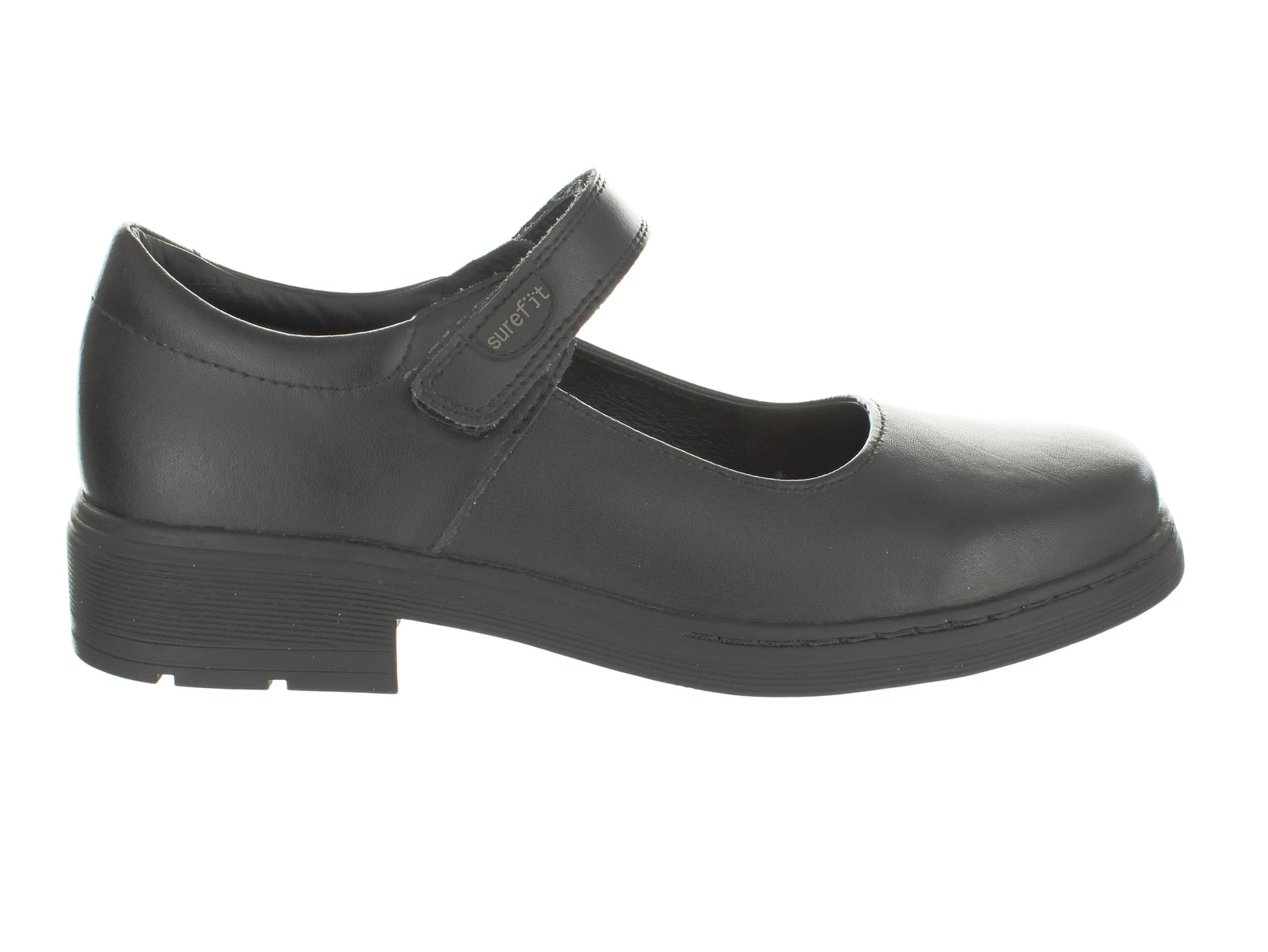

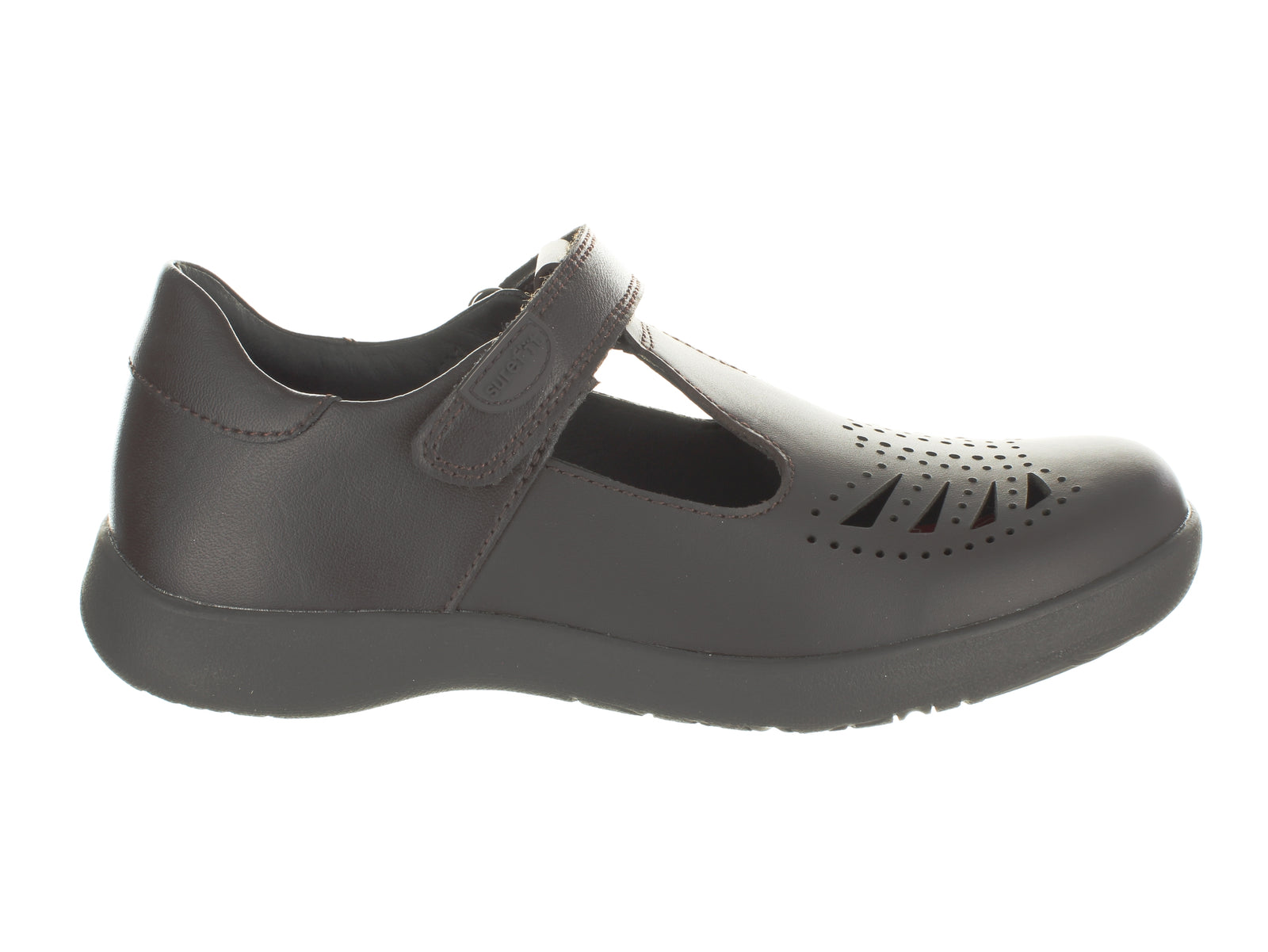

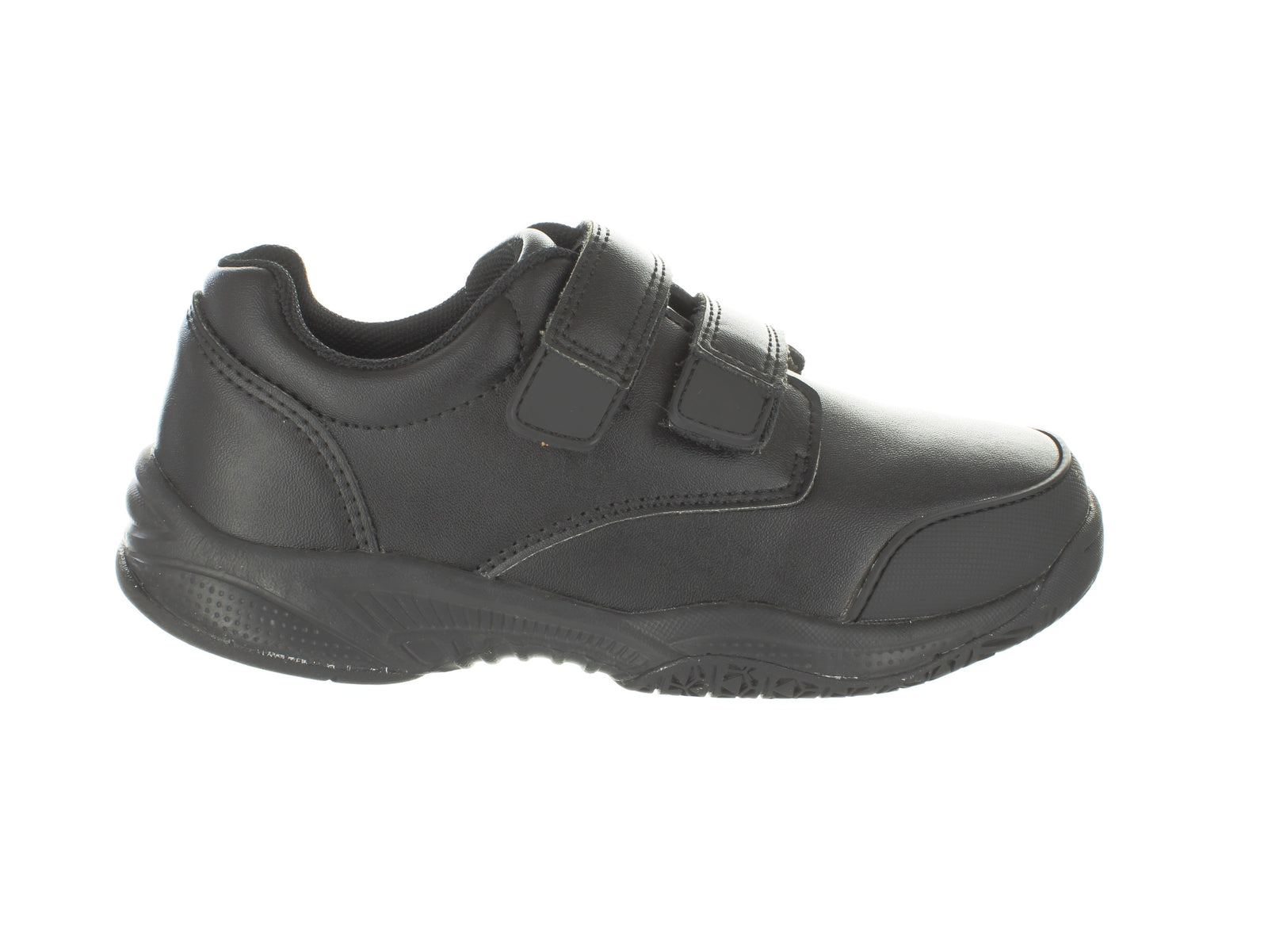

Final Sale
Surefit Ben Black School Shoes
$49.95
$89.95




How to Choose the Best School Shoes for Your Child
Children's footwear needs can change significantly as they move through school. A Prep student spending lunchtime on the playground has very different demands than a secondary school student walking between classes all day. Understanding these differences can help you choose school shoes that provide the right balance of comfort, durability and support.
School Shoes for Primary School Children
Primary school children are often the toughest testers of school shoes. Running, climbing, jumping and playground games can place significant stress on footwear, making durability just as important as comfort.
When choosing school shoes for younger children, consider:
- Durable leather uppers that can handle daily wear
- Reinforced toe protection to help reduce scuffing
- Secure, supportive fit for active play
- Easy fastening options such as Velcro for younger students
- Lightweight, flexible construction that allows natural movement
Many parents find that Velcro or self-fastening school shoes help younger children develop independence while ensuring shoes are fitted correctly throughout the day.
School Shoes for Secondary School Students
As children move into secondary school, comfort across longer days often becomes a greater priority. Students may spend more time walking between classrooms, carrying heavier bags and participating in extracurricular activities before and after school.
Features worth considering include:
- Premium leather uppers for long-lasting comfort
- Lace-up designs for a secure and adjustable fit
- Cushioned insoles to support all-day wear
- Durable outsoles for everyday walking
- Timeless styling that meets school uniform requirements
Many secondary students prefer lace-up school shoes because they provide a more customised fit and a traditional school shoe appearance.
Growing Room Guidance for School Shoes
School shoes need to balance two important factors: providing room for growing feet while remaining secure enough for everyday school activities. A shoe that fits well today should still allow for natural growth, but it should never feel loose or unstable.
Many fit issues occur when parents purchase shoes significantly larger than their child's current foot size. While this may seem economical, excessive growing room can affect comfort, support and overall fit.
A properly fitted school shoe should:
- Hold the heel securely in place
- Allow toes to move naturally
- Fasten comfortably across the foot
- Feel stable when walking, running and climbing stairs
Regular fit checks are important throughout the school year, particularly during periods of rapid growth.
Whether you're shopping for a child starting their first year of school or a teenager heading into secondary education, choosing high-quality school shoes designed for growing feet can help ensure comfort and support from the classroom to the playground and beyond.
Leather School Shoes vs Synthetic School Shoes
When choosing school shoes, one of the most common decisions parents face is whether to opt for leather or synthetic materials. Both have their place, but understanding the differences can help you select the right school shoes for your child's needs.
Leather School Shoes
Leather has long been a popular choice for children's school shoes thanks to its combination of comfort, durability and flexibility.
Benefits of leather school shoes include:
- Breathability that helps regulate temperature and reduce moisture build-up
- A natural ability to soften and mould to the shape of the foot over time
- Excellent durability for everyday school wear
- Greater flexibility as the shoe adapts to movement
- Long-lasting performance when properly cared for
For children spending long days at school, leather school shoes can provide a comfortable fit that continues to improve as the shoes are worn in.
Synthetic School Shoes
Synthetic materials are often chosen because of their lower upfront cost and easy-care properties.
Synthetic school shoes may offer:
- Simple cleaning and maintenance
- Water resistance in some styles
- A lower purchase price
- Lightweight construction depending on the material used
However, synthetic materials are generally less breathable than leather and may not adapt to the foot in the same way over time.
Which School Shoe Material Is Best?
The best school shoe is one that fits correctly, supports your child's feet and meets the demands of their daily routine. For many families, leather remains a preferred choice because it combines durability, breathability and long-term comfort in a way that is particularly well suited to growing feet.
At Surefit, we focus on quality leather school shoes designed to support children through busy school days, from classroom learning to playground adventures. By combining premium materials with thoughtful design, we aim to provide school shoes that are comfortable, durable and made to last.
Last updated June 2026
SCHOOL SHOE SIZING & FAQS
-
Measure your child's feet in millimetres and choose a size that provides 10–12mm of growing room at the toe. This is the most reliable way to find the correct school shoe size — more accurate than using age, clothing size or your child's previous shoe size, all of which can vary significantly between brands and styles.
How to measure your child's feet at home:
- Stand your child against a wall with their heels flat against the surface and feet straight.
- Measure the distance from the wall to the tip of the longest toe in millimetres.
- Repeat for the other foot — it is normal for one foot to be slightly larger.
- Use the larger measurement and add 10–12mm to find the inner sole length you need.
- Check the inner sole measurement listed alongside each size on the Surefit product page — sizing can vary slightly between styles due to different sole moulds, so check this each time rather than assuming the same size number applies across styles.
Example: If your child's largest foot measures 150mm, look for a school shoe with an inner sole measurement of 160–162mm.
As a general guide, school shoes should never have more than 12mm of growing room. Shoes that are too large can cause heel slipping, rubbing and reduced support — particularly for younger children. If your child measures between two sizes, choose the larger size and use thicker socks initially if needed.
Children's feet change quickly. We recommend re-measuring at the start of each school term and any time your child complains of foot discomfort.
-
School shoes should have approximately 10–12mm of growing room between the longest toe and the end of the shoe. This is the recommended allowance for school-aged children - enough
space for natural growth and toe movement, while still keeping the shoe stable and supportive.More than 12mm of growing room
can cause problems:• The heel may slip, causing rubbing and blisters.
• The foot moves forward inside the shoe during activity, reducing support.
• Younger children are more likely to trip in shoes that are too long.
Less than 10mm means the shoe
may become uncomfortable within a few weeks as the foot grows.Term check tip: Check the fit at the start of each school term and any time your child complains of foot pain or iscomfort.
-
A well-fitting school shoe should feel secure at the heel, allow natural movement across the ball of the foot, and provide 10–12mm of space at the toe. Your child's toes should sit comfortably without pressing against the front of the shoe, and the shoe should not slip at the heel when walking.
Signs of a good fit:
• The heel sits firmly in place with no slipping.
• Toes can wiggle freely without touching the front.
• The shoe fastens comfortably without pinching across the foot.
• The shoe feels stable when your child walks, runs and climbs stairs.
Signs a replacement may be needed:
• Toes are close to or touching the front of the shoe.
• Your child complains of foot pain, blisters or discomfort.
• The soles are visibly worn or the heel no longer feels supportive.
We recommend checking the fit at the start of each school term and whenever your child has a noticeable growth spurt.
-
No - you should not simply size up. The right approach is to measure your child's feet and select the size that provides 10–12mm of growing room, rather than guessing or buying a size larger than usual.
Shoes that are too large can:
• Cause the heel to slip and create blisters.
• Reduce stability during running and playground activity.
• Lead to foot fatigue as the foot works harder to keep the shoe in place.
If your child measures between two sizes, choose the larger of the two and use thicker socks initially if needed. If you are unsure, contact the Surefit team - we are happy to help you choose the right size.
-
Yes - leather school shoes are generally better for children's feet than synthetic alternatives, particularly for all-day school wear. Leather is breathable, durable and naturally softens over time to create a more personalised fit around our child's foot.
Benefits of leather school shoes:
• Breathability: leather allows air to circulate, helping to regulate temperature and reduce moisture build-up throughout the school day.
• Adaptability: quality leather softens and moulds to the shape of the foot over time, improving comfort as the shoe is worn in.
• Durability: leather withstands the daily demands of school wear - running, climbing and playground activity - better than most synthetic materials.
• Flexibility: leather moves with the foot, supporting natural gait and movement.
Surefit school shoes are made from premium leather and are designed to support growing feet through the demands of everyday school life, from the classroom to the playground.
-
Leather and synthetic school shoes differ primarily in breathability, durability and how they adapt to the foot over time. Leather is generally the better choice for all-day school wear; synthetic materials may suit specific needs such as easier cleaning or a lower upfront cost.
Breathability
Leather: High — air circulates naturally
Synthetic: Low to moderate — can trap heatDurability
Leather: Excellent — improves with wear
Synthetic: Moderate — may crack or peel over timeAdaptability
Leather: Softens and moulds to the foot over time
Synthetic: Retains fixed shape over timeMaintenance
Leather: Requires occasional polishing
Synthetic: Easy to wipe cleanCost
Leather: Higher upfront investment
Synthetic: Generally lower purchase priceBest suited to
Leather: All-day school wear and growing feet
Synthetic: Occasional use or budget-conscious buyers -
The best school shoes for children combine a secure fit, quality leather construction, flexible soles and durable design suited to all-day school wear. The most important factor is correct fit - even the highest-quality shoe will not perform well if it does not fit properly.
When evaluating school shoes, look for:
• Premium leather uppers for breathability and long-term durability.
• Flexible soles that bend at the ball of the foot to support natural movement.
• A firm heel counter that keeps the heel stable throughout the day.
• Secure fastenings appropriate to your child's age - Velcro for younger children, lace-up for older students.
• A podiatrist-approved design that supports healthy foot development.
Surefit has been designing children's school shoes since 1984. Every style in our school shoe range is made from quality leather and designed to support growing feet through the demands of the Australian school day.
-
The best school shoes for wide feet provide extra room through the toe area and forefoot while maintaining a secure fit through the heel. This ensures growing feet can move naturally without the shoe placing pressure on the widest part of the foot.
When choosing school shoes for wide feet, look for:
• A toe box with enough width for toes to sit flat and spread naturally.
• Flexible leather uppers that adapt to the shape of the foot rather than restricting it.
• Adjustable fastenings - lace-up or Velcro - that allow the fit to becustomised across the foot.
• A firm heel counter that keeps the heel stable even when the forefoot is wider.
If you are unsure whether a style will suit your child's foot shape, contact the Surefit team for guidance - we are happy to recommend styles suited to wider feet.
-
Children benefit from school shoes that provide the right balance of support, stability and flexibility - rather than rigid arch support alone. The most important factors for healthy foot development are a secure fit, flexible soles that allow natural movement, and quality materials that support the foot throughout the day.
What to look for in a supportive school shoe:
• A firm heel counter that holds the heel in place and prevents rolling.
• Flexible soles that bend at the ball of the foot, supporting natural gait.
• Sufficient cushioning in the insole for all-day comfort.
• A secure fastening - lace-up or Velcro - that keeps the foot positioned correctly inside the shoe.
With over 40 years of experience designing children's footwear, Surefit school shoes are crafted to support growing feet through busy school days. Our shoes are podiatrist-approved and feature supportive construction, flexible soles and secure fits that work together to keep children comfortable from the classroom to the playground.
-
A well-made pair of leather school shoes should last most of the school year - typically one to two terms - before needing replacement, depending on your child's growth rate and activity level. High-quality leather construction helps shoes retain their shape, support and comfort significantly longer than lower-quality alternatives.
Factors that affect how long school shoes last:
• Foot growth: children going through rapid growth phases will outgrow shoes more quickly than the materials wear out.
• Activity level: children who are very physically active place more demand on soles and uppers.
• Care and maintenance: leather shoes that are regularly cleaned and polished last longer.
• Construction quality: premium leather with reinforced stitching and durable soles outlasts cheaper alternatives.
Surefit school shoes are designed with durability in mind. Regular fit checks at the start of each term will ensure your child is always wearing shoes that fit correctly and provide adequate support.
-
Primary school children generally need more durable, active-friendly shoes with easier fastenings; secondary school students typically benefit from a more refined fit with lace-up styles that offer greater adjustability for longer days.
Primary School Children (Prep–Year 6)
Younger children place significant physical demands on their shoes through running, climbing and playground activity. For this age group, prioritise:
• Reinforced toe protection to handle scuffing.
• Velcro or self-fastening styles that allow independence and ensure shoes stay properly fastened throughout the day.
• Lightweight, flexible construction suited to active play.
• Durable leather that can withstand heavy daily use.
Secondary School Students (Year 7–12)
Older students typically walk further between classes and wear shoes for longer periods. For this age group, prioritise:
• Lace-up styles for a more customised, adjustable fit.
• Cushioned insoles for all-day comfort across longer school days.
• Classic, polished styling that meets secondary school uniform requirements.
• Durable outsoles suited to regular walking on hard surfaces.
-
School shoes should be replaced when your child outgrows them or when the soles, uppers or support features show significant wear. School shoes should be checked regularly for fit and wear. For most children, this means checking fit at the start of each school term and replacing shoes at least once per school year, sometimes more frequently during periods of rapid growth.
Replace school shoes when you notice:
• Toes are close to or touching the front of the shoe.
• Your child complains of foot pain, listers or discomfort.
• The soles are worn through, particularly at the heel or ball of the foot.
• The heel counter has softened and no longer holds the heel firmly.
• The uppers are cracked, torn or no longer provide a secure fit.
Children's feet can grow rapidly, so a pair that fit well at the start of Term 1 may need replacing by Term 3. Regular fit checks are the best way to catch this early.
-
Most Australian schools require black, enclosed leather shoes as part of their uniform policy, making black leather school shoes the standard choice for the majority of families. However, uniform requirements vary between schools, and some allow brown leather or specific styles.
Before purchasing, we recommend:
• Checking your school's uniform policy or guidelines directly.
• Confirming whether specific styles - such as Mary Jane, lace-up or self-fastening - are permitted or preferred.
• Asking whether sneaker-style school shoes are accepted, as some schools limit this.
Surefit school shoes are available in classic black leather styles designed to meet the requirements of most Australian school uniforms. If you are unsure whether a specific style meets your school's requirements, contact us and we will help you choose.
-
If Surefit school shoes do not fit correctly when they arrive, you can exchange them for a different size. We offer exchanges and returns to make buying school shoes online as easy and risk-free as possible.
To ensure a smooth exchange:
• Check the fit as soon as your order arrives - before your child wears the shoes to school.
• Refer to our Exchange and Returns Policy for full details on the process.
• Contact our team if you need guidance on sizing before placing a new order - we can help you identify the right size based on your child's measurements.
Note: Items marked as Final Sale are not eligible for exchange or refund. Check the product page before purchasing.
Read our Exchange & Returns information.
-
Free shipping is available on all Surefit orders over $89. All full-price school shoes in the Surefit range are priced above this threshold, meaning free shipping applies to most school shoe purchases.
Shipping details:
• Free standard shipping on orders over $89.
• Shipping costs apply to orders under $89 — see our Shipping page for current rates.
• Final Sale items are eligible for free shipping on qualifying orders but cannot be exchanged or returned.
Search our shop
PayPal Pay Later Messaging
Step 1: Choose message placement
Click the button below and then hover over your page to select a placement.